1. The 16mm Pioneers: Geography and Inside-the-Tube Vision
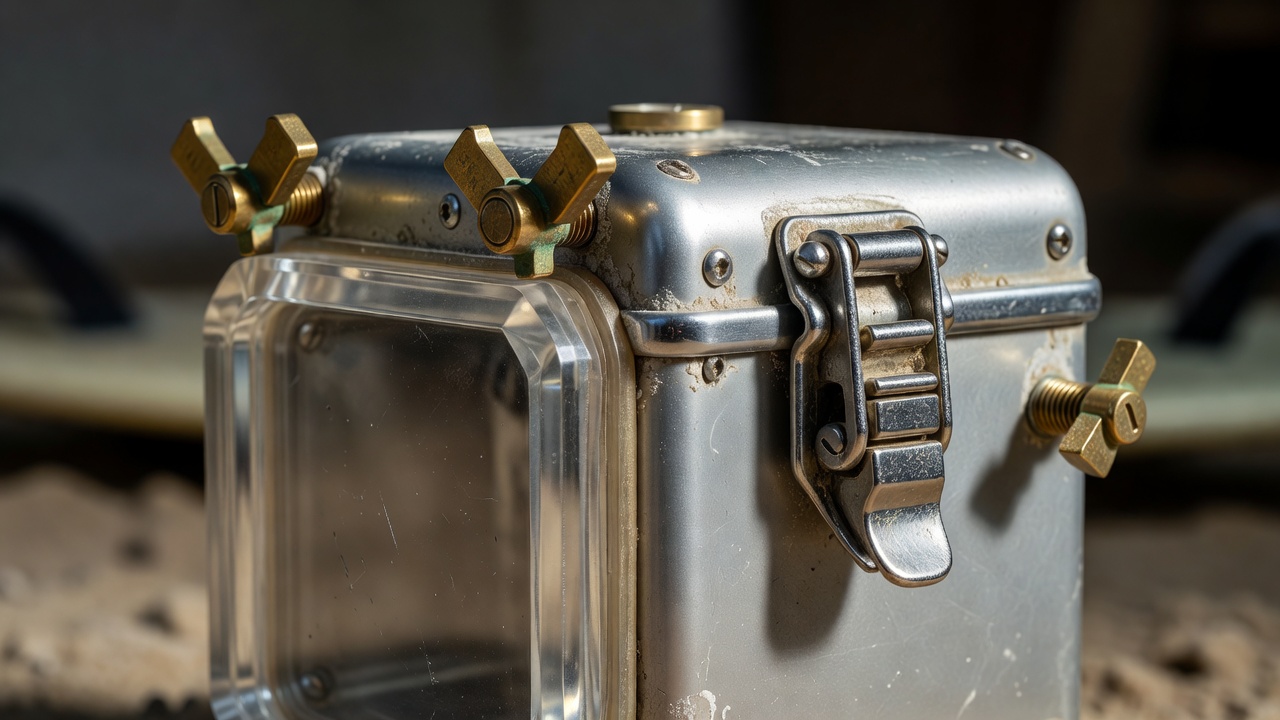
Modern surf videography owes its visual grammar to self-reliant filmmakers who built their own Plexiglas and fiberglass housings in garage workshops. When Bruce Brown packed a wind-up Bolex 16mm camera to shoot The Endless Summer (1966) with Robert August and Mike Hynson, he had only 28 seconds of spring-driven run time per wind. That mechanical limitation forced Brown to master clean, unhurried tripod pans and concise cutaway shots that explained wind direction, tide drain, and local travel context before showing a single wave at Cape St. Francis.
Five years later, George Greenough revolutionized water cinematography in The Innermost Limits of Pure Fun (1969) by strapping a 27-pound high-speed 16mm camera inside a custom backpack harness while riding a spoon kneeboard at Rincon and Lennox Head. Greenough proved that placing the camera inside the cylindrical vortex looking out toward the shoulder gave audiences a visceral sensation no beach tripod could replicate.
2. Essential Documentary Breakdown Table
| Film & Year | Director / DP | Key Locations | Camera & Format | Workshop Takeaway |
|---|---|---|---|---|
| The Endless Summer (1966) | Bruce Brown | Cape St. Francis, Dakar, Raglan | Bolex H16 16mm | Use wide geographic establishing shots before tight riding clips. |
| Morning of the Earth (1972) | Albert Falzon | Uluwatu, Kirra, Angourie | Beaulieu 16mm | Shoot directly into low golden backlight to turn spray into liquid gold. |
| Five Summer Stories (1972) | Greg MacGillivray & Jim Freeman | Pipeline, Honolua Bay | High-speed 16mm (200fps) | Combine ultra-slow water photography with rhythmic chapter pacing. |
| Step Into Liquid (2003) | Dana Brown | Cortes Bank, Maverick's, Pipeline | Super 16mm & 35mm | Anchor big-wave sequences with first-person surfer interviews. |
| Riding Giants (2004) | Stacy Peralta | Waimea Bay, Pe'ahi (Jaws) | Archival 16mm + HD | Build tension using archival stills and progressive swell timelines. |
| View From a Blue Moon (2015) | Blake Vincent Kueny | North Shore, Teahupo'o, Margaret River | RED Dragon & Phantom 4K | Match heli Cineflex stabilization with in-water high-frame-rate cuts. |
3. Applying Documentary Pacing to Short Session Edits
Even if you are cutting a ninety-second reel for a local surfer, borrow the three-act structure perfected by Taylor Steele in Momentum (1992) and Jack McCoy in Occy: The Occumentary (1998). Open with a quiet 12-second preparation beat—checking the swell from a headland or waxing the tail pad—move into a tight, rhythmic middle section where cuts match the cadence of the surfer's rail turns, and finish with a single uncut wave held from paddle-in to kick-out so the viewer respects the surfer's uninterrupted flow.